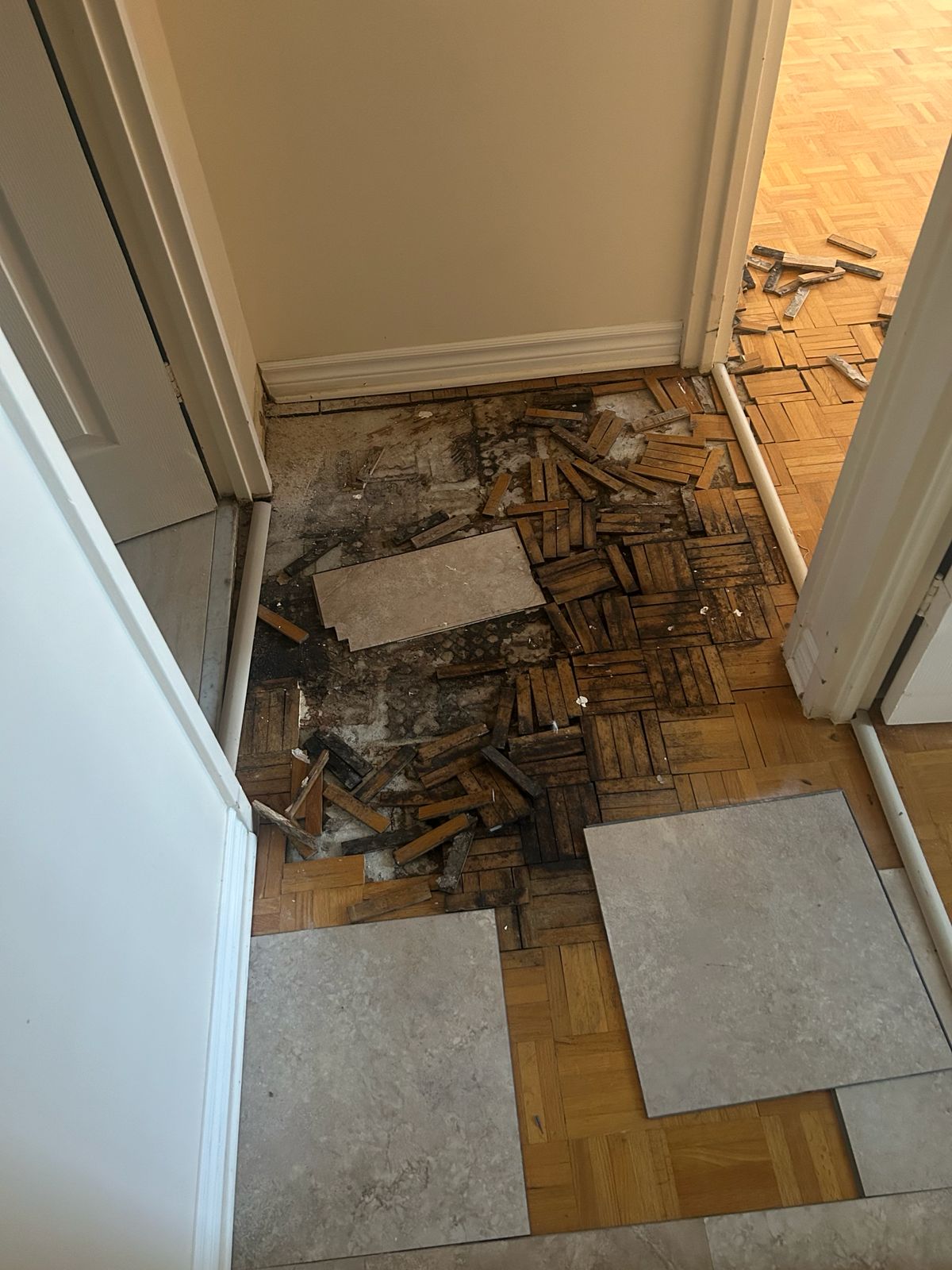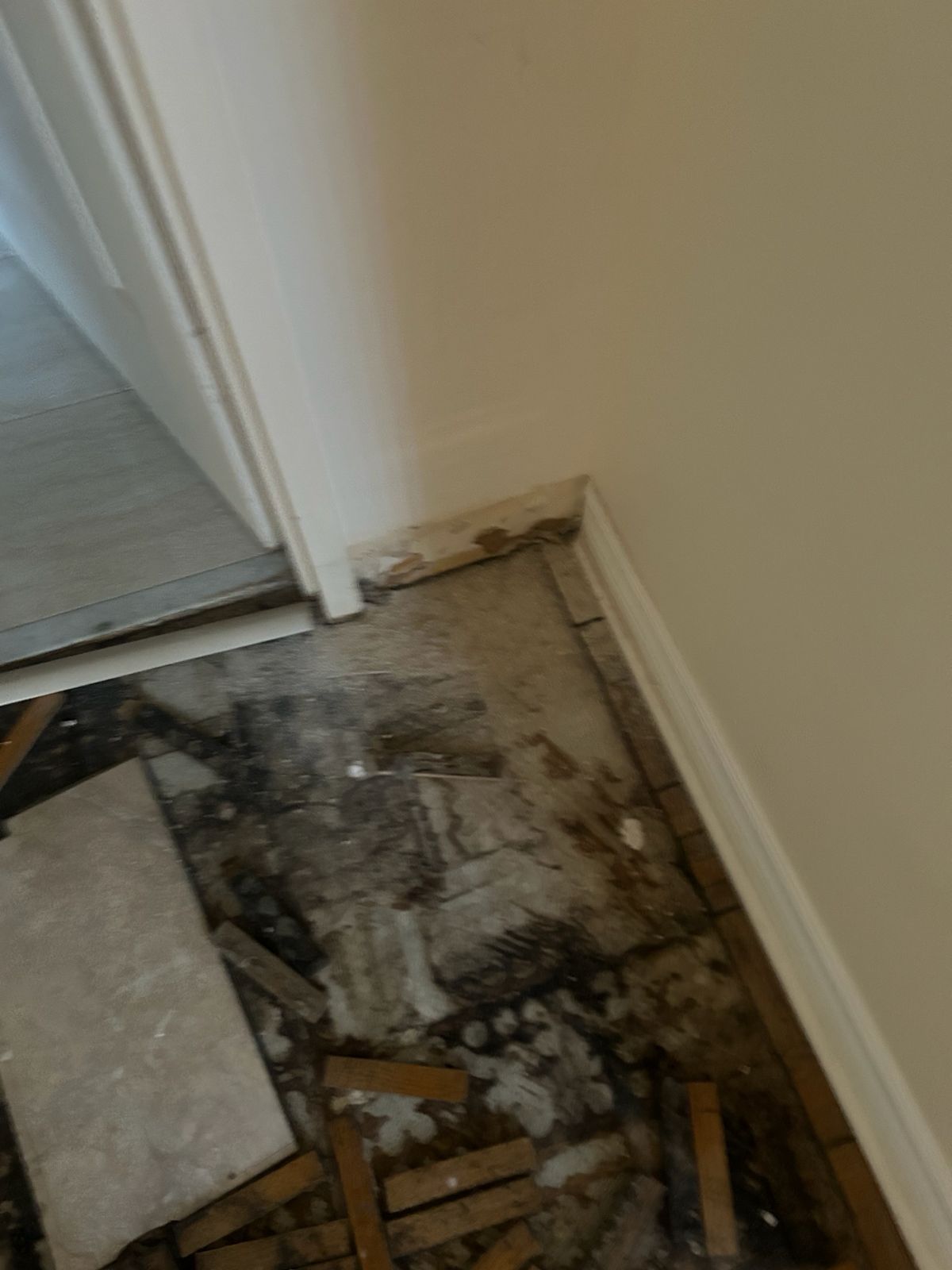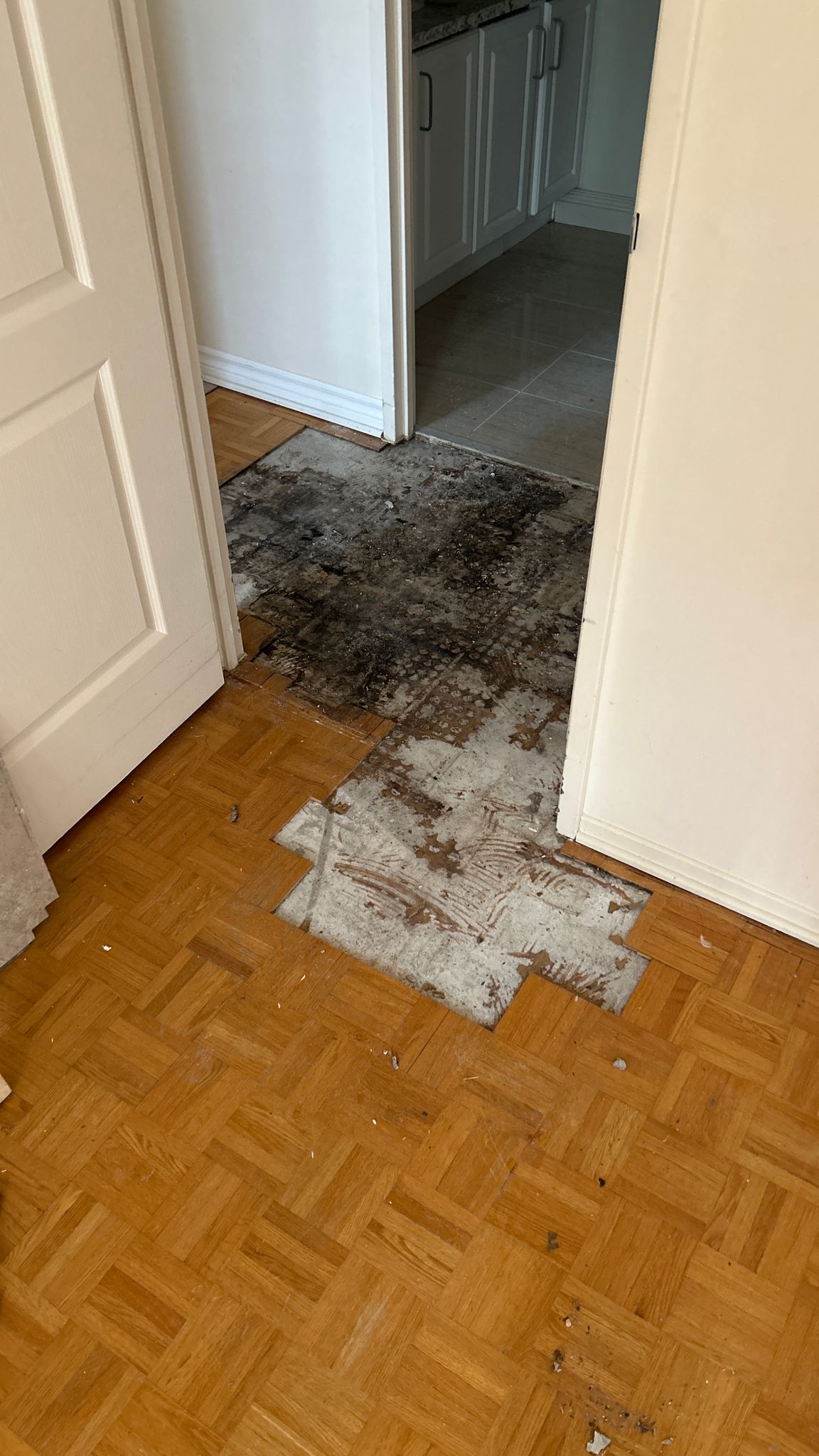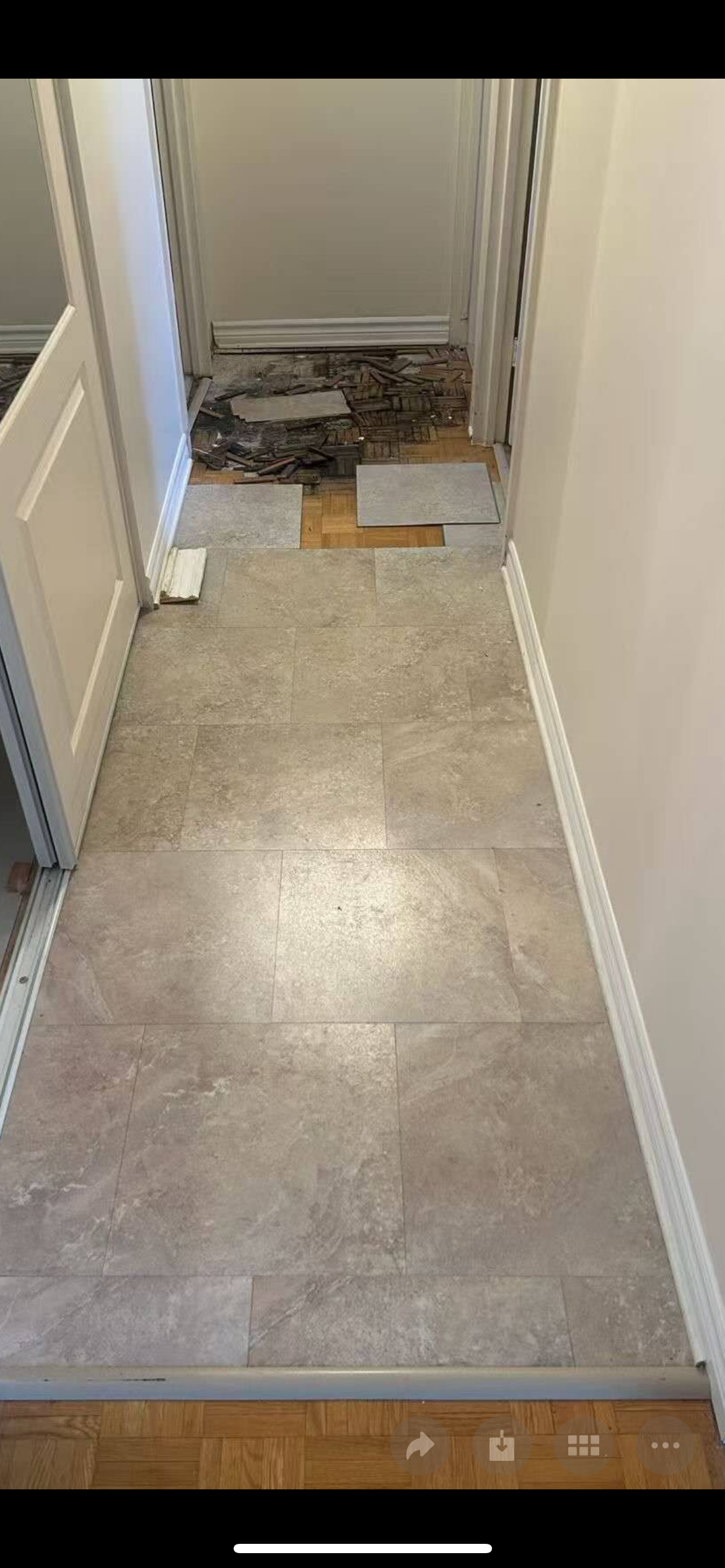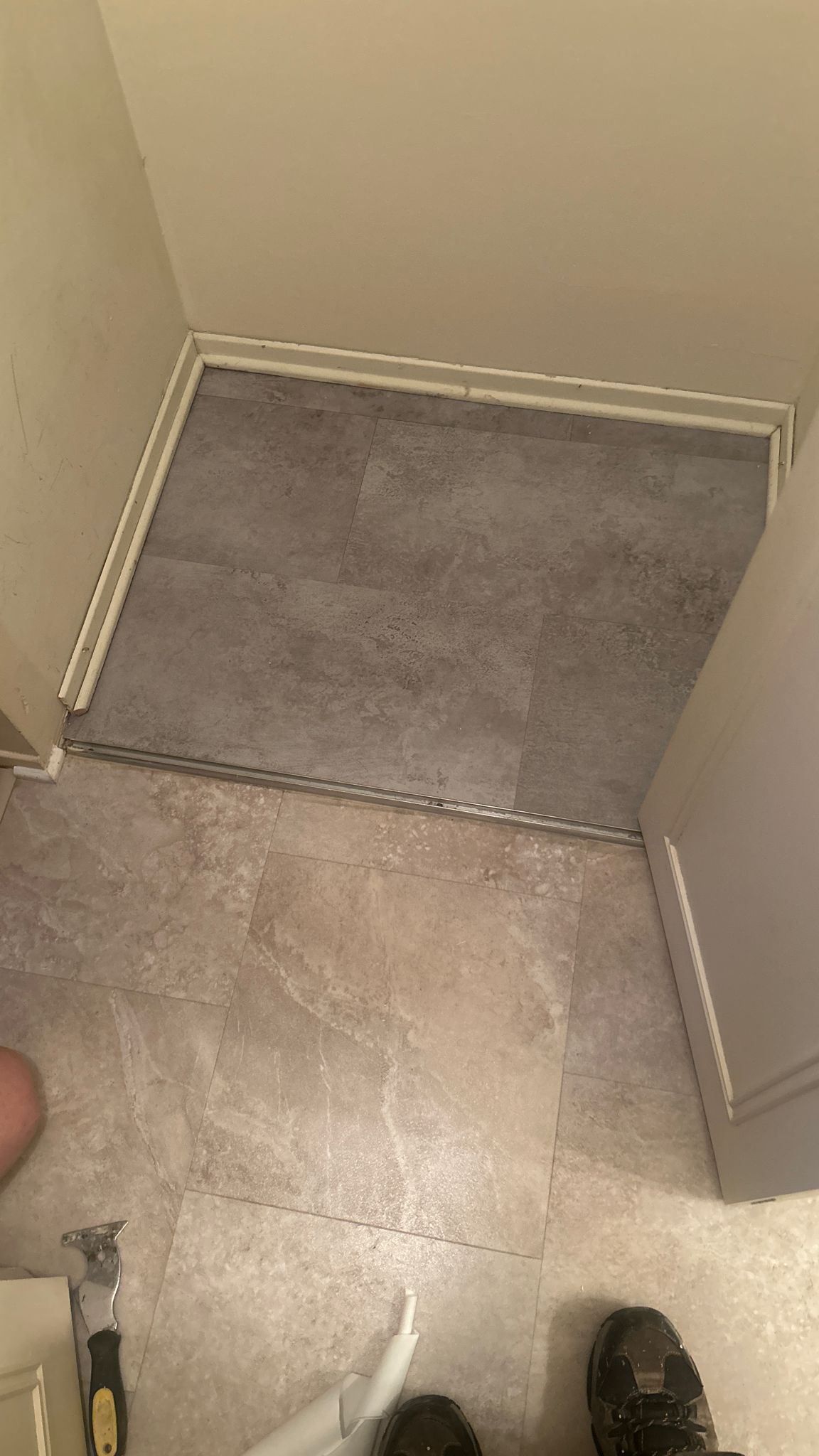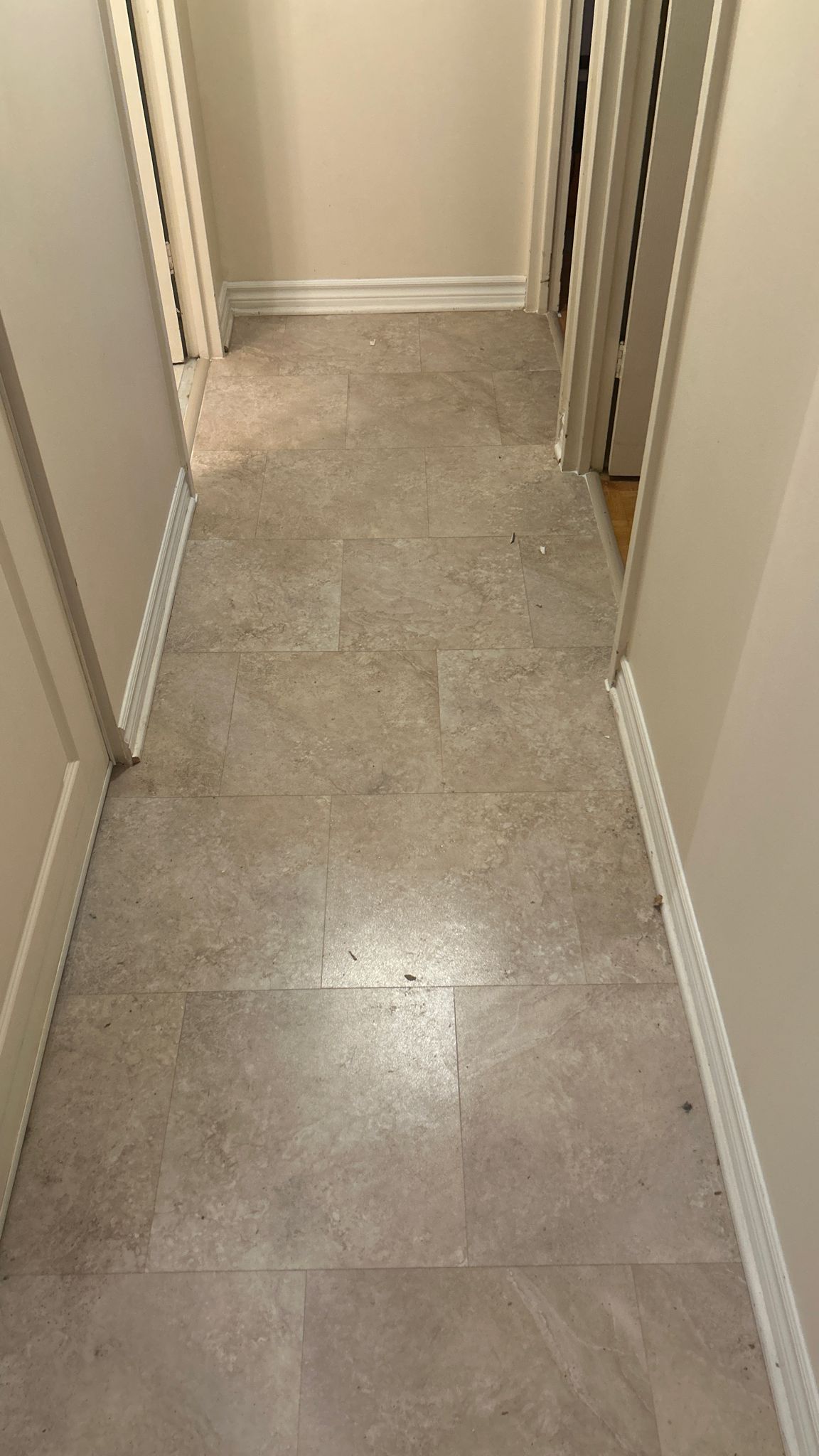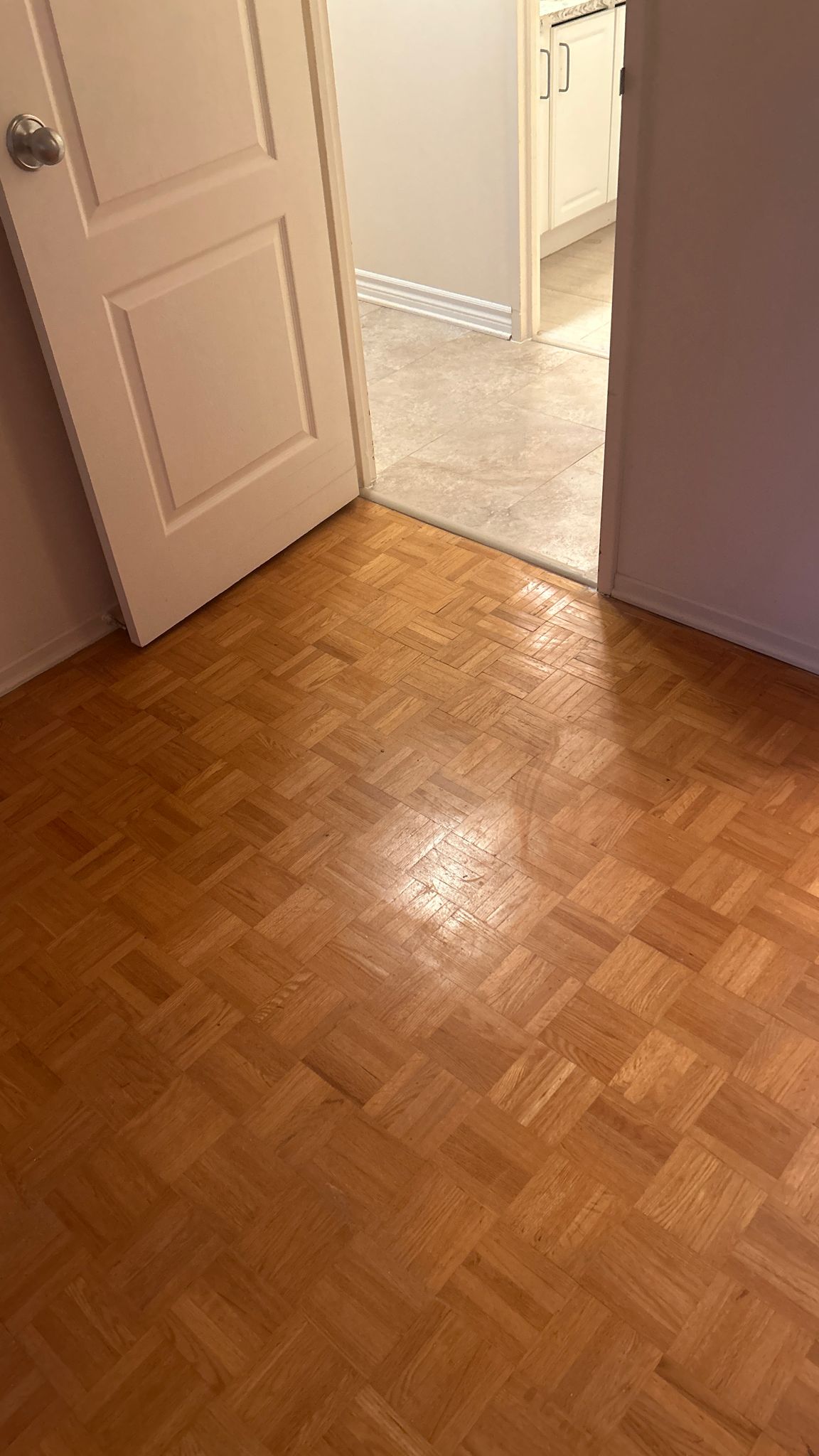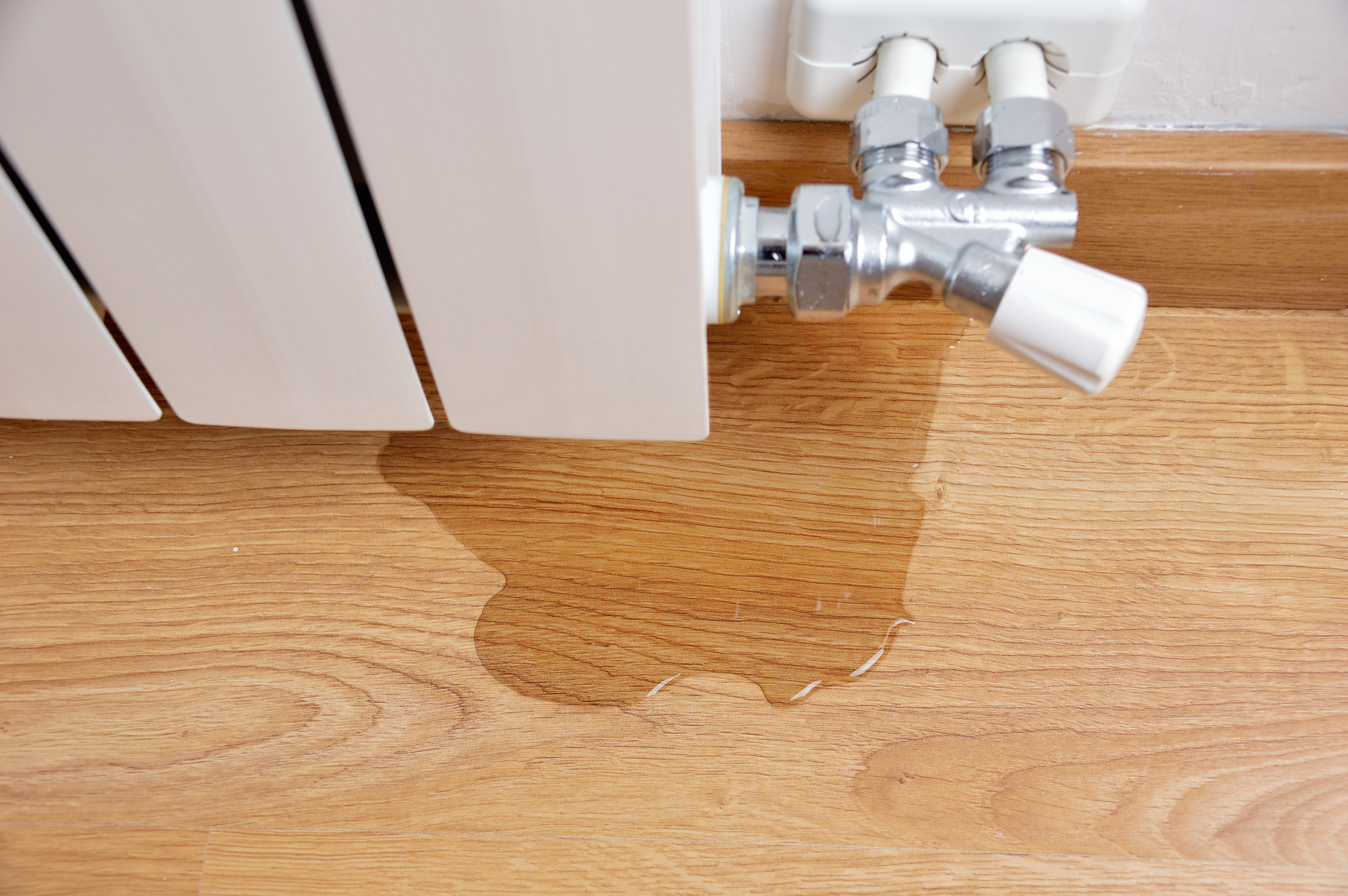
A wet basement, active stain, damp wall, or recurring leak needs a source-focused review before cosmetic repairs begin. In Ottawa, symptoms may follow heavy rain, snowmelt, plumbing use, roof drainage, foundation conditions, or a combination of factors.
Document when and where the water appears
Photograph the affected area and note whether the issue follows a weather event, plumbing use, or a seasonal pattern. Check whether the water begins at a wall, floor joint, window, ceiling, plumbing fixture, or another visible point. Avoid disturbing materials that may be unsafe or contaminated.
Common areas that may need review
- Foundation cracks, penetrations, window wells, and wall-to-floor joints
- Grading, gutters, downspouts, roof drainage, and exterior discharge points
- Sump pump operation, drainage systems, plumbing, and nearby fixtures
- Insulation, drywall, flooring, trim, and concealed cavities affected by moisture
Separate immediate protection from permanent repair
Stopping further exposure, protecting belongings, and addressing electrical or safety concerns may be urgent. Drying, material removal, source repair, and reconstruction are separate steps that should be scoped according to the actual conditions. A visible patch is not always a complete water-management solution.
What Meiju reviews
Meiju can review accessible conditions, reported timing, likely pathways, repairable building components, and the reconstruction work that may follow. Some situations require a plumber, roofer, waterproofing specialist, engineer, environmental testing, emergency mitigation, or insurer-directed work before a repair scope can be finalized.
Prepare for the assessment
Send photographs, the property address, the dates or weather conditions associated with the issue, previous repairs, and a list of affected materials. If water is actively entering, describe the current rate and any immediate safety concern when requesting service.