
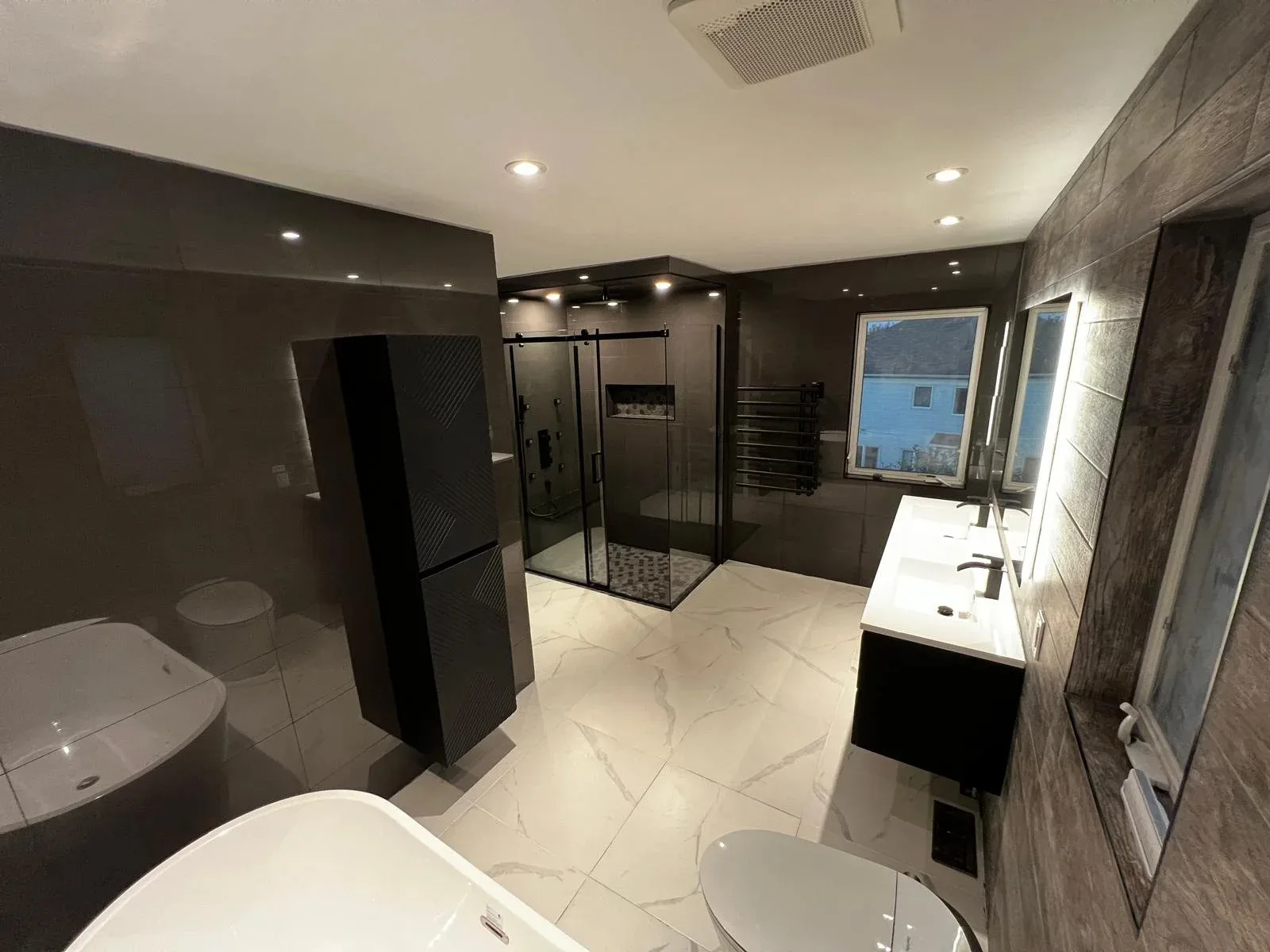
Two totals are not comparable until the proposals describe substantially the same work. A lower price may reflect fewer quantities, broader allowances, client-supplied items, omitted protection or disposal, unpriced approvals, or risks deferred until construction.
Ask each contractor to make the scope, assumptions, decision deadlines, responsibilities, and change process visible. The most useful proposal makes it easier to understand what will happen—not merely what it costs.
What to consider
Normalize the scope
Compare the same rooms, quantities, demolition, preparation, products, finishes, protection, cleanup, and handoff.
Find uncertainty in the price
Identify allowances, estimates, exclusions, owner-supplied items, concealed-condition assumptions, and work priced later.
Compare delivery accountability
Confirm who coordinates trades, access, approvals, communication, schedule changes, deficiencies, and final documentation.
From Meiju projects
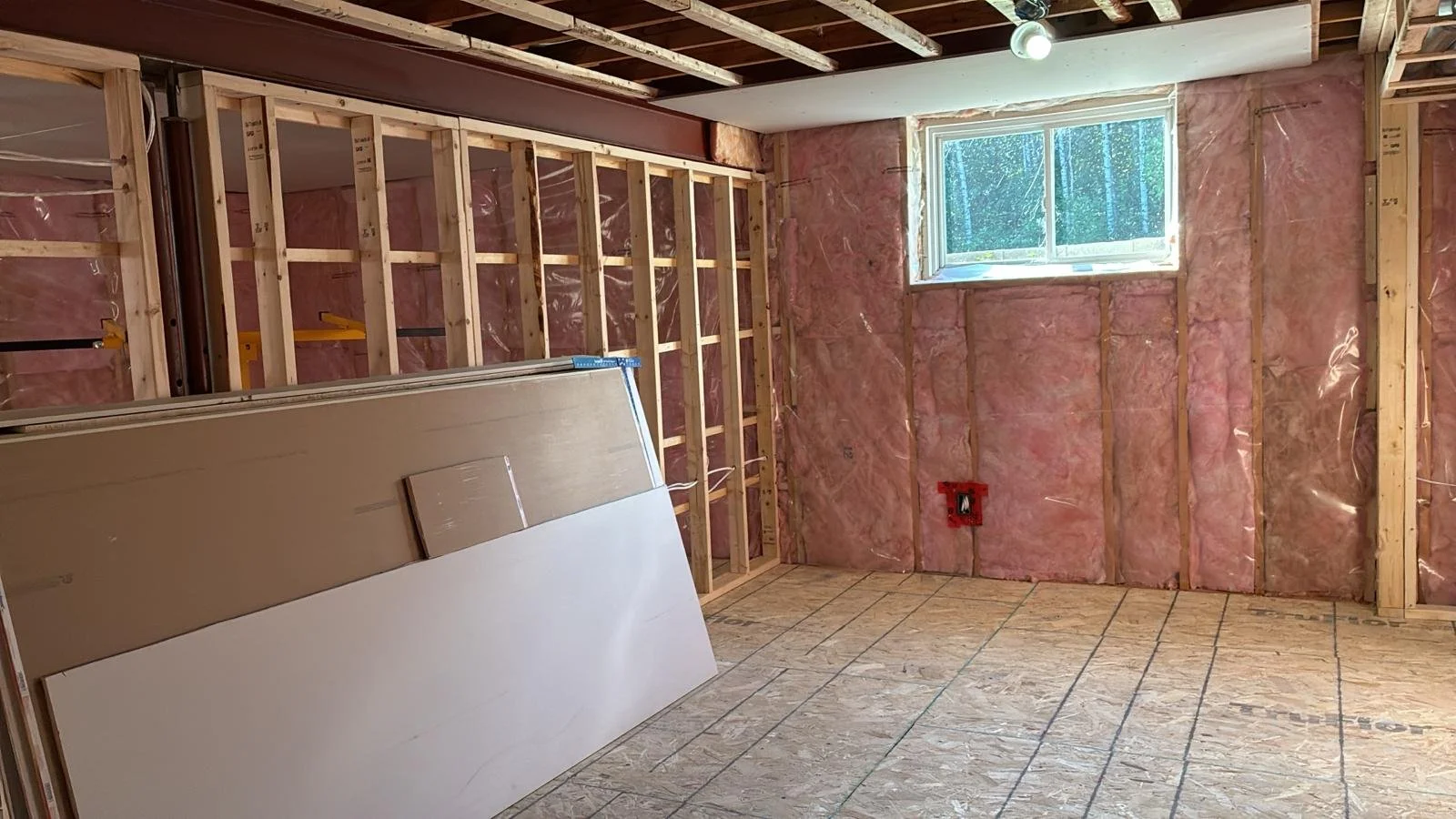
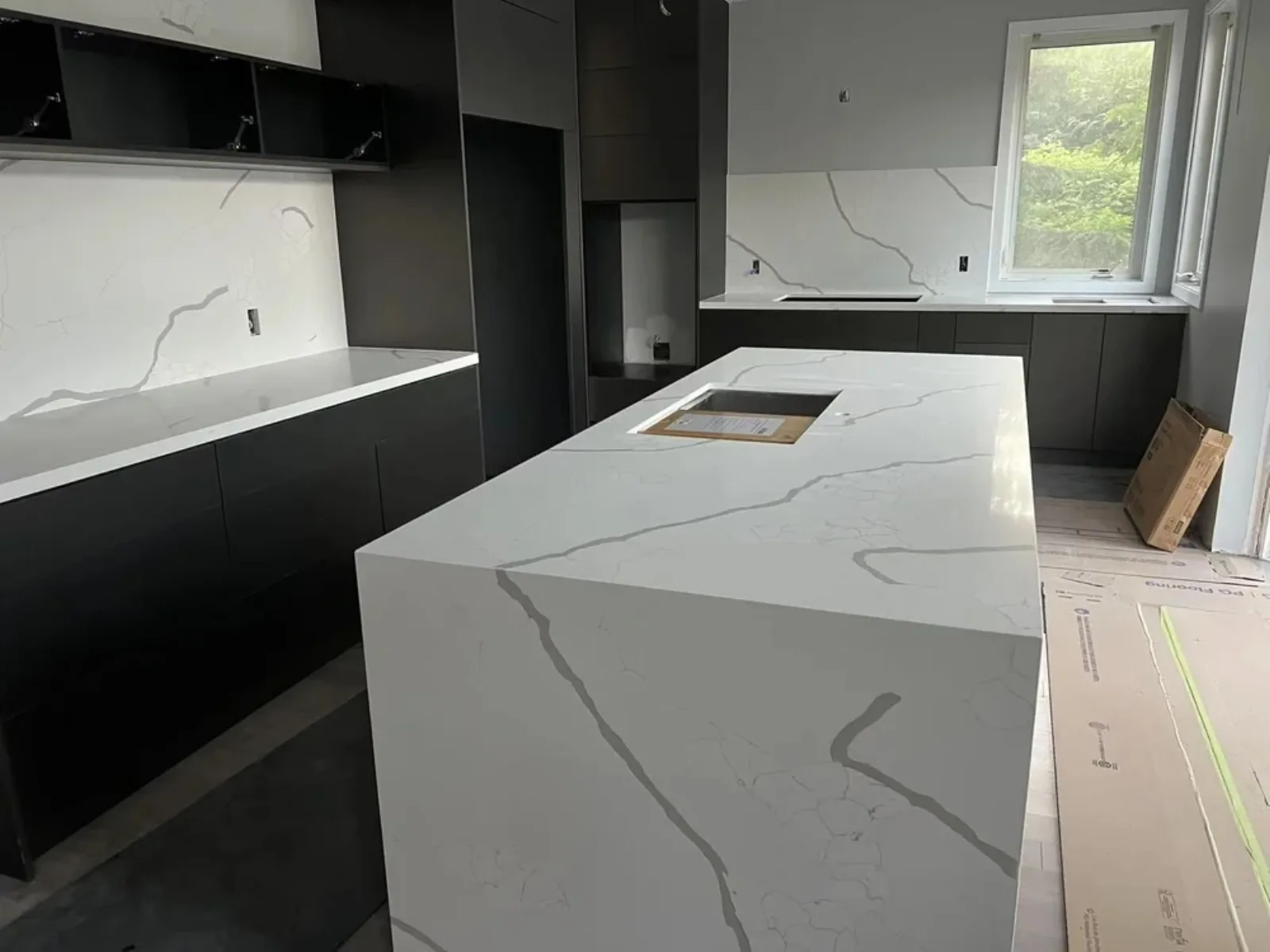
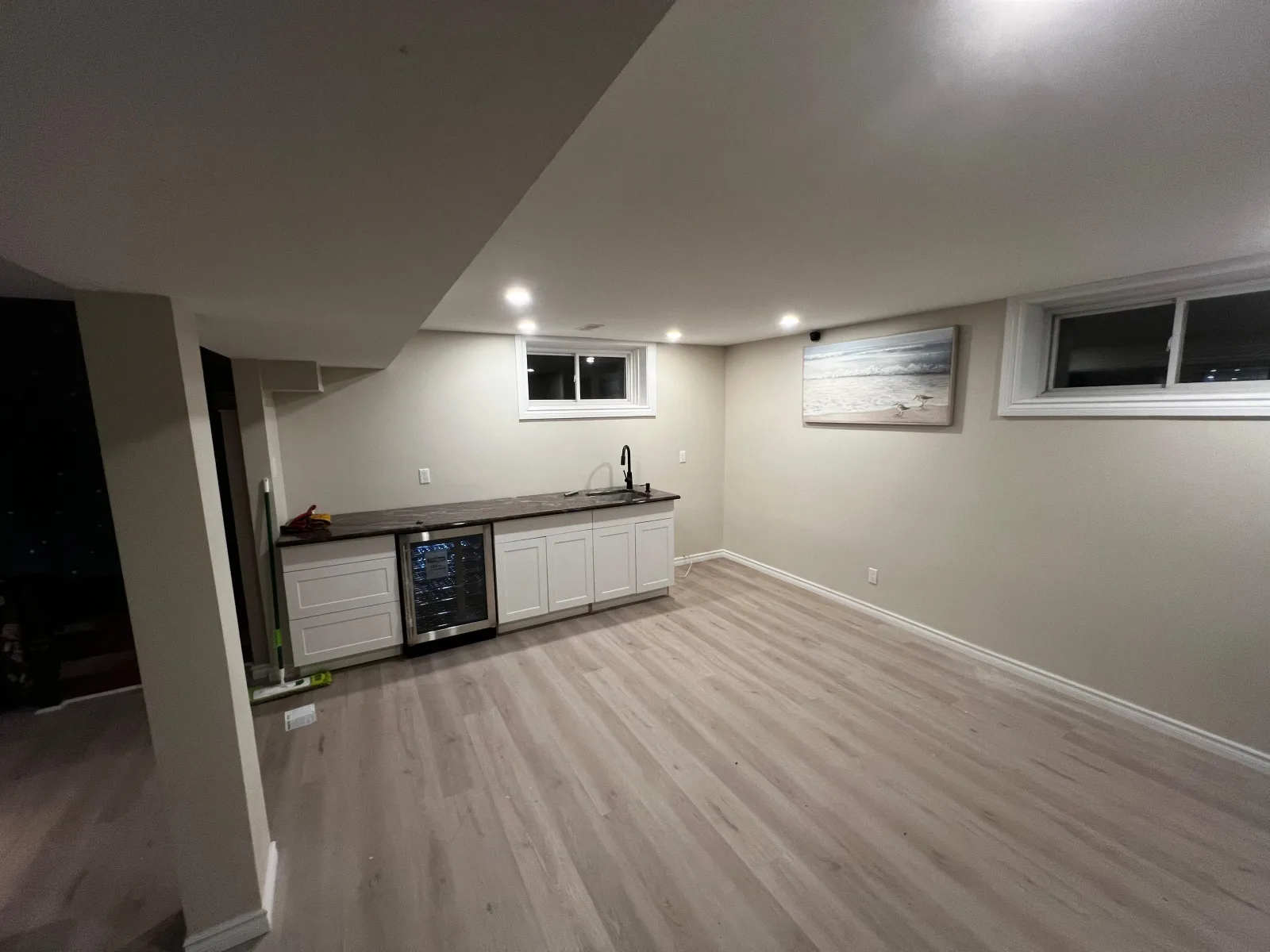
The same room can contain very different scopes.
Demolition, structure, insulation, rough-ins, preparation, protection, fit-out, and handoff may not be visible in the final photograph—or in the lowest total.
What the scope may include
Scope and price
- Measured quantities and included areas
- Materials, model numbers, finish level, and allowances
- Demolition, disposal, protection, cleanup, and restoration
- Taxes, permits, inspections, equipment, and specialty services
Delivery and risk
- Target sequence and important lead times
- Client decisions and contractor responsibilities
- How concealed conditions and changes are priced and approved
- Deficiency review, documentation, warranty, and final handoff
Before you begin
Should I choose the lowest renovation quote?
Choose only after confirming that the scope, quality, responsibilities, timing, and risk treatment are comparable. A lower total is not a saving when important work or uncertainty is simply excluded.
What is an allowance?
An allowance is a placeholder for an item or amount that is not fully selected or measured. Confirm what it covers, whether labour and tax are included, and how overages or credits are handled.
What should a change process explain?
It should explain how new conditions or requested changes are documented, priced, scheduled, authorized, and reflected in the final account before added work proceeds.